

Check back soon
Once posts are published, you’ll see them here.


Wireless Point to Point Bridges/Links
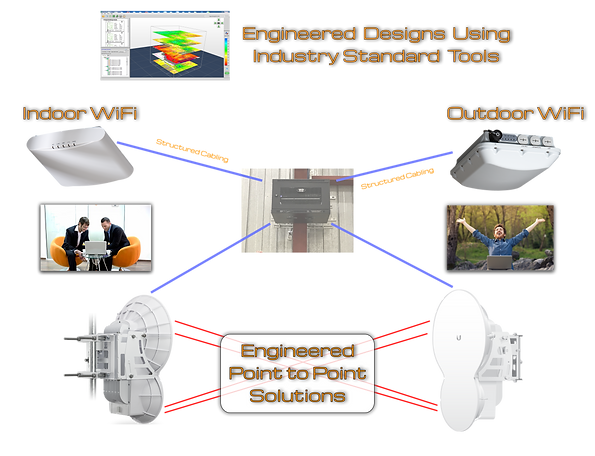
Point to Point Links provide network connectivity between two sites wirelessly using a line of site principle. They can function in both the unlicensed/licensed radio frequencies, with speeds from 100mbps to 10Gbps full duplex. They provide seamless wireless connectivity with unmatched performance, optimization, and reliability.

Wireless Point to Point Multi-point Links
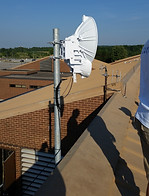
Point to Multi Point wireless networks, also used for outdoor hotspots, interconnect multiple locations to using line of sight and non line of sight principles. They can operate in both the unlicensed and licensed frequencies bands with speeds up to 1Gbps. A point to multi point wireless network can be a highly cost effective alternative to trenching fiber optic cabling.
Typical Point to Multi Point applications are:
Outdoor WiFi
Connecting multiple buildings
CCTV solutions
Lease line replacement
Fiber replacement

Wireless Mesh Networks
In mesh networks, individual access points connect with each other wirelessly. They provide a self-configuring, scalable, and self-adapting wireless network capable of multiple concurrent connections, eliminating the need for ethernet backbones. These solutions provide self-forming, self-healing mesh networks at half the time and cost of traditional wireless deployments.
Typical Point to Point Mesh applications are:
Public WiFi
Campuses
Campsite WiFi
Locations with cabling restrictions
Marinas
Stadiums and conference centres


